

At Cosmetic Tattoo Studio Face Figurati, we believe great results start with honest conversations. Whether you’re considering your first brow tattoo or refining a previous eyeliner treatment, it’s essential to know who’s genuinely ready for the commitment — and who’s better off waiting.
Cosmetic tattooing is wildly popular right now — and for good reason. From saving time in your morning routine to creating fuller brows and defined lips, it can be a total game-changer. But here’s the real talk: not everyone is a good candidate for a cosmetic tattoo or permanent makeup procedure.
And that’s what this article is here for. Who Should Not Get a Cosmetic Tattoo? is a must-read before you book your cosmetic tattoo appointment or start dreaming about tattooed hair strokes, lip tattoos, or eyeliner tattoos.
Medical Conditions That Rule You Out
Some medical conditions and medications increase the risk of infection, poor healing, or pigment complications. And no result is worth jeopardising your health.
You should not get a cosmetic tattoo if you:
- Are currently pregnant or breastfeeding (tattooing during pregnancy is not safe)
- Have active cancer or are undergoing chemo treatments
- Have uncontrolled diabetes or poor blood sugar control
- Have a compromised immune system or autoimmune disorder
- Are insulin dependent
- Have epilepsy or frequent seizures
- Have a blood disorder, poor blood flow, or clotting issues
- Are currently on Accutane or acne medications
- Have an active skin infection, common skin conditions, or open wounds at the tattoo site
You must get a health professional’s clearance if you:
- Are on blood thinners (e.g. aspirin, warfarin, or supplements)
- Are taking topical medications like steroids
- Have autoimmune diseases such as lupus
- Have a history of keloid scarring or existing scar tissue
- Have major heart conditions or pacemakers
- Have had recent cosmetic treatment or cosmetic procedures nearby (e.g. dermal fillers, facial surgery)
Consultation appointments are essential for reviewing your medical history. A complete review ensures you’re aware of the healing time, healing process, and potential risks involved.
Skin Types That Don’t Suit Tattoo Pigment
Your skin isn’t just a canvas — it’s a dynamic organ. Certain skin types and active skin conditions can prevent pigment colour from settling correctly or trigger skin complications.
When to avoid cosmetic tattooing:
- Oily skin (especially in the T-Zone or eyebrow skin) may lead to blurred strokes and poor pigment retention
- Dry skin or compromised skin health may scab heavily or reject pigment
- Keratosis pilaris, rosacea, or other chronic conditions can disrupt the healing phase
- Eczema, psoriasis, or dermatitis can worsen post-treatment
- Keloid scars or history of keloid scarring increases the risk of poor healing
- Sensitive skin may not tolerate cosmetic tattoo pigments or numbing agents
- Skin colour and darker skin tones may experience hyperpigmentation or healing challenges if not handled by an experienced technician who understands skin types and pigment correction
Remember, individual skin type and type of skin causes matter more than you’d think. A cosmetic tattoo specialist will assess your skin health before starting any advanced tattooing technique. Skilled cosmetic tattoo artists know how to adapt to diverse skin conditions and avoid pigment issues.
Medications That Interfere with Tattooing
Some prescriptions and over-the-counter medications can affect the healing period, increase bleeding, or cause pigment to reject.
Watch out for:
- Accutane (you need to wait at least 12 months after stopping)
- Antibiotics (pause procedures until the course is complete)
- Blood thinners and anti-inflammatory medicine
- Steroids and immunosuppressants
- Retinoids, glycolic acid, or harsh products near the tattoo site
- Antidepressants or anxiety disorders medications (some increase sensitivity)
Always disclose your full list at your consultation appointment. It’s the safest way to prevent issues with wound healing and other enemies of healing. Cosmetic tattooing artists rely on this information to make safe, tailored decisions for each client.
Mental Health and Unrealistic Expectations
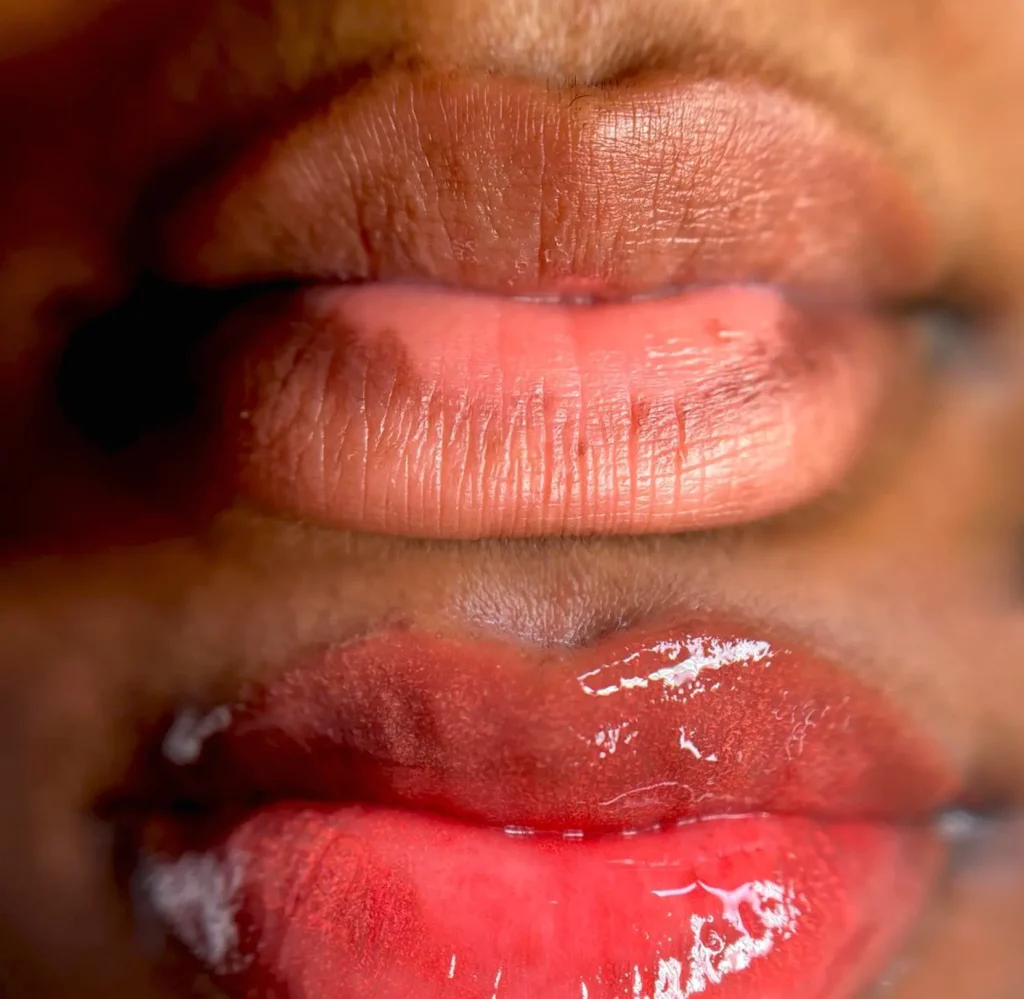
Cosmetic tattooing isn’t a quick fix for self-esteem or deeper emotional challenges. It’s a cosmetic treatment, not therapy.
Consider waiting if:
- You’re going through a breakup, grief, or major life change
- You’re dealing with anxiety disorders or body dysmorphia
- You’ve become fixated on brow symmetry, hair colours, or tiny flaws
- You think perfect brows or eyeliner tattoos will solve everything
Tattooing is a gradual process. Sometimes it takes 3-6 sessions to achieve the desired effect. It should never be rushed due to emotional stress. Reputable cosmetic tattooing Brisbane professionals will always prioritise mental readiness alongside physical suitability.
Allergies and Previous Tattoo Reactions
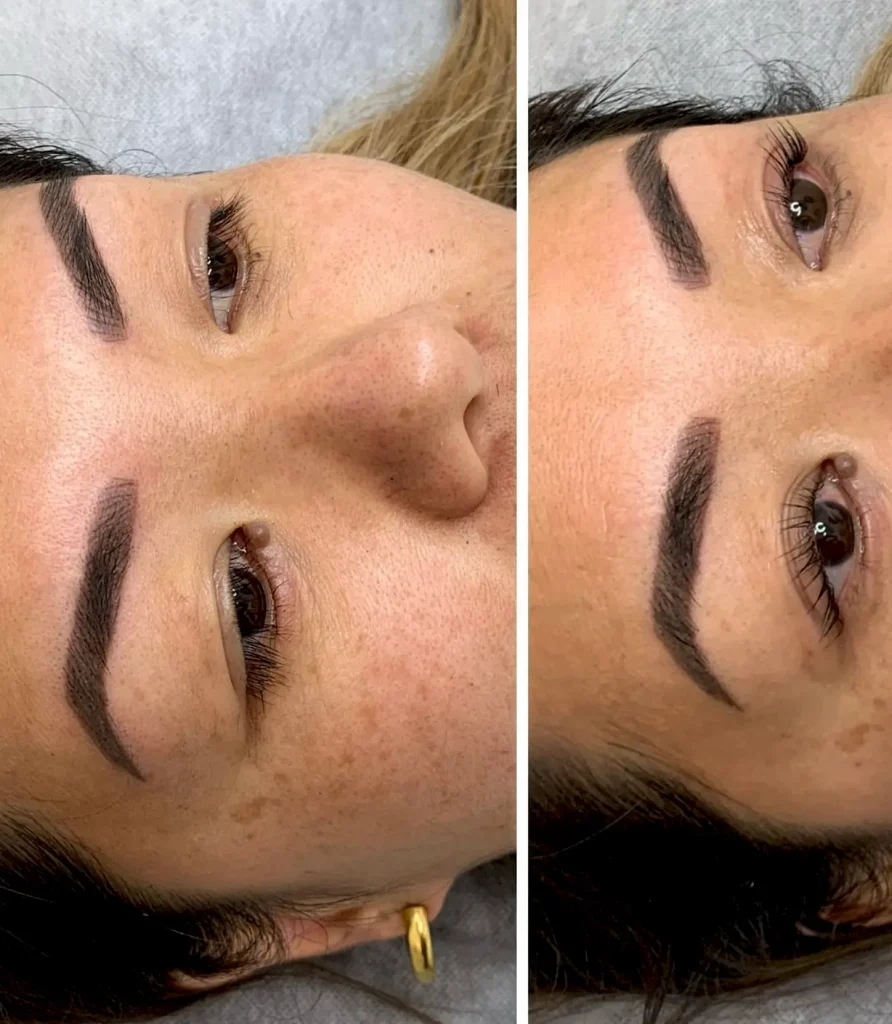
Cosmetic tattoo pigments are generally safe, but there are still potential risks of allergic reactions.
High-risk if you have:
- A history of allergic reaction to tattoo ink, cosmetic products, or dyes
- Sensitivity to iron oxide or vegan-friendly pigments
- Previous reactions to numbing agents like lidocaine
- Issues with ink pigments in body tattoo procedures
A patch test is always recommended. If you’ve had cosmetic tattoo removal, previous tattooing, or laser removal treatments, your skin may react differently. An experienced tattoo removal technician can evaluate your skin barrier and healing capacity.
Picking, Pulling and Healing Disruptions
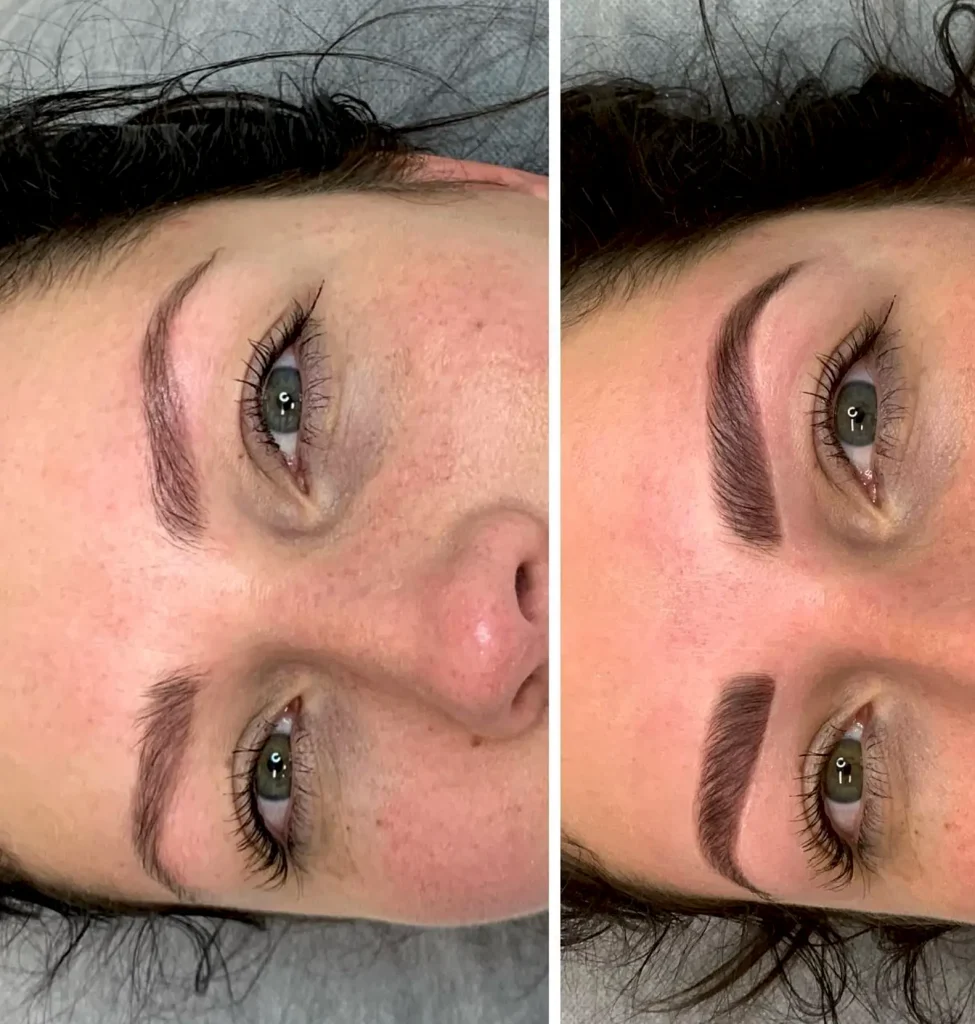
Even if your skin type is perfect, behavioural habits can ruin your cosmetic tattoo process.
Not ideal for people with:
- Compulsive pulling like trichotillomania
- Dermatillomania or skin picking habits
- A tendency to scratch or interfere with the epidermal crust
Good aftercare means no touching, no rubbing, and avoiding heavy creams, harsh outline pencils, or caffeinated beverages during the healing process. Poor aftercare leads to poor healing, pigment loss, and scar tissue formation. Cosmetic tattooing requires discipline and hands-off healing to avoid long-term issues.
Teens, Kids, and Still-Developing Faces
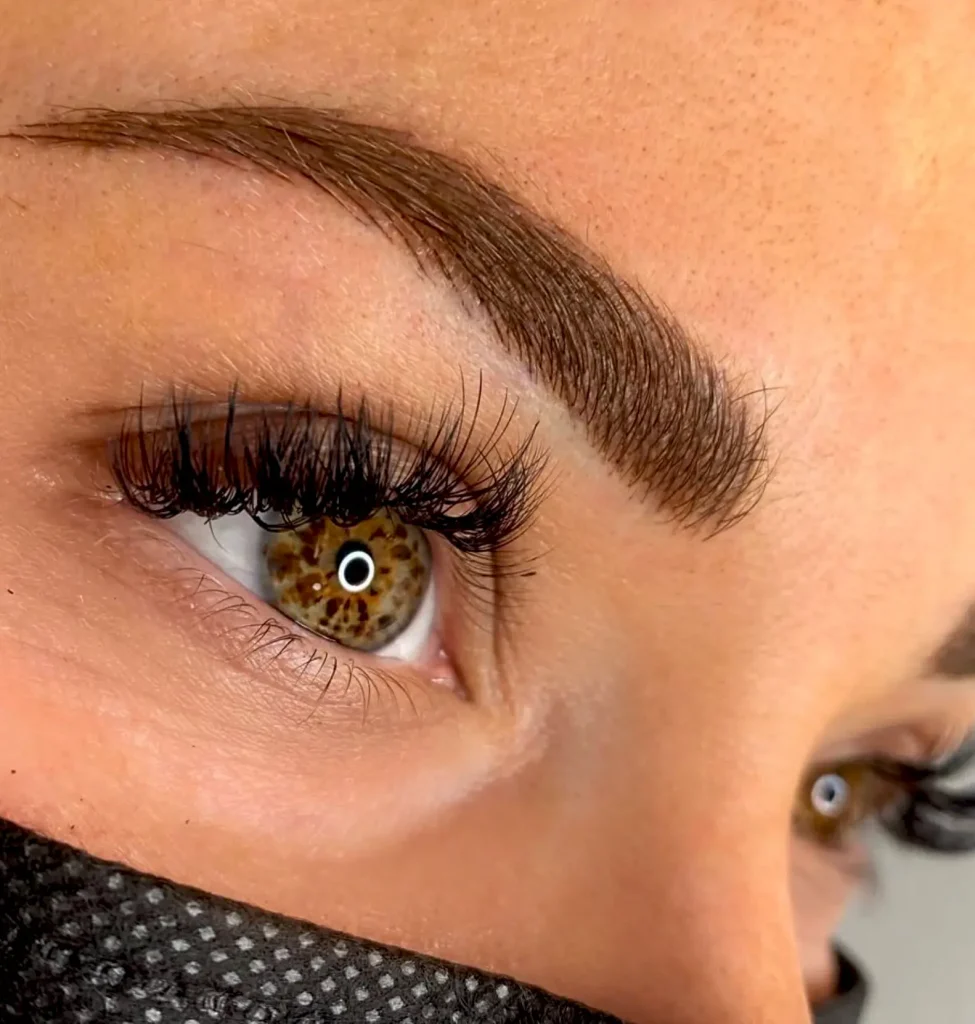
No cosmetic tattooing procedure should be performed on minors.
- Facial bone structure and brow hair patterns shift in teens
- Eyebrow tattoos or eyeliner tattooing done too young may age poorly
- Laws require clients to be over 18 — many cosmetic tattoo artists prefer 21+
Plus, brow lamination appointments, brow waxes, or the right colour mix of pencils may be better temporary options while you’re still exploring your aesthetic.
Table: Quick Reference Guide
| Category | Specific Concerns |
|---|---|
| Medical | Pregnancy, chemo, autoimmune disorder, diabetes |
| Skin | Oily skin, sensitive skin, keratosis pilaris, keloid scars |
| Medication | Blood thinners, Accutane, steroids, acne medications |
| Mental Health | Anxiety disorders, emotional distress, compulsive behaviours |
| Allergies | Cosmetic tattoo pigments, topical medications, numbing creams |
| Behaviour | Pulling of body hair, picking, poor aftercare habits |
| Age | Under 18, developing facial muscles or eyebrow hair |
Final Thoughts
Cosmetic tattooing is one of my favourite services to offer. But knowing who should not get a cosmetic tattoo protects your skin, health, and happiness long-term.
If you have any skin conditions, medical concerns, or aren’t in the right headspace, it’s better to pause and explore alternatives like:
- Eyebrow lamination or brow laminating
- Powder brows instead of microblading for oily skin
- Lip blush or eyeliner smudge makeup
- An effective alternative like a lash serum or eyelash curler instead of lash tattoos
FAQ
Can I get a cosmetic tattoo if I have active skin conditions?
No. Conditions like eczema, chronic acne, or keratosis pilaris on the treatment area increase the risk of complications and poor pigment retention.
Why do artists avoid clients on Accutane or acne medications?
They thin the skin and delay wound healing, increasing risks of scarring and poor healing.
Is oily skin a dealbreaker for brow tattoos?
Not necessarily. But oily skin can cause blurring of tattooed hair strokes. Powder brows or ombré brows powder might suit better.
Can poor aftercare ruin my cosmetic tattoo?
Absolutely. Ignoring aftercare instructions, using harsh products, or letting your eyebrows wet can affect pigment retention and lead to touch-up sessions.
What if I need to remove a bad cosmetic tattoo?
Emergency saline cosmetic tattoo methods using Li-FT solution (a hypertonic solution) or laser removal treatments can be effective. Always use an experienced tattoo removal specialist.