

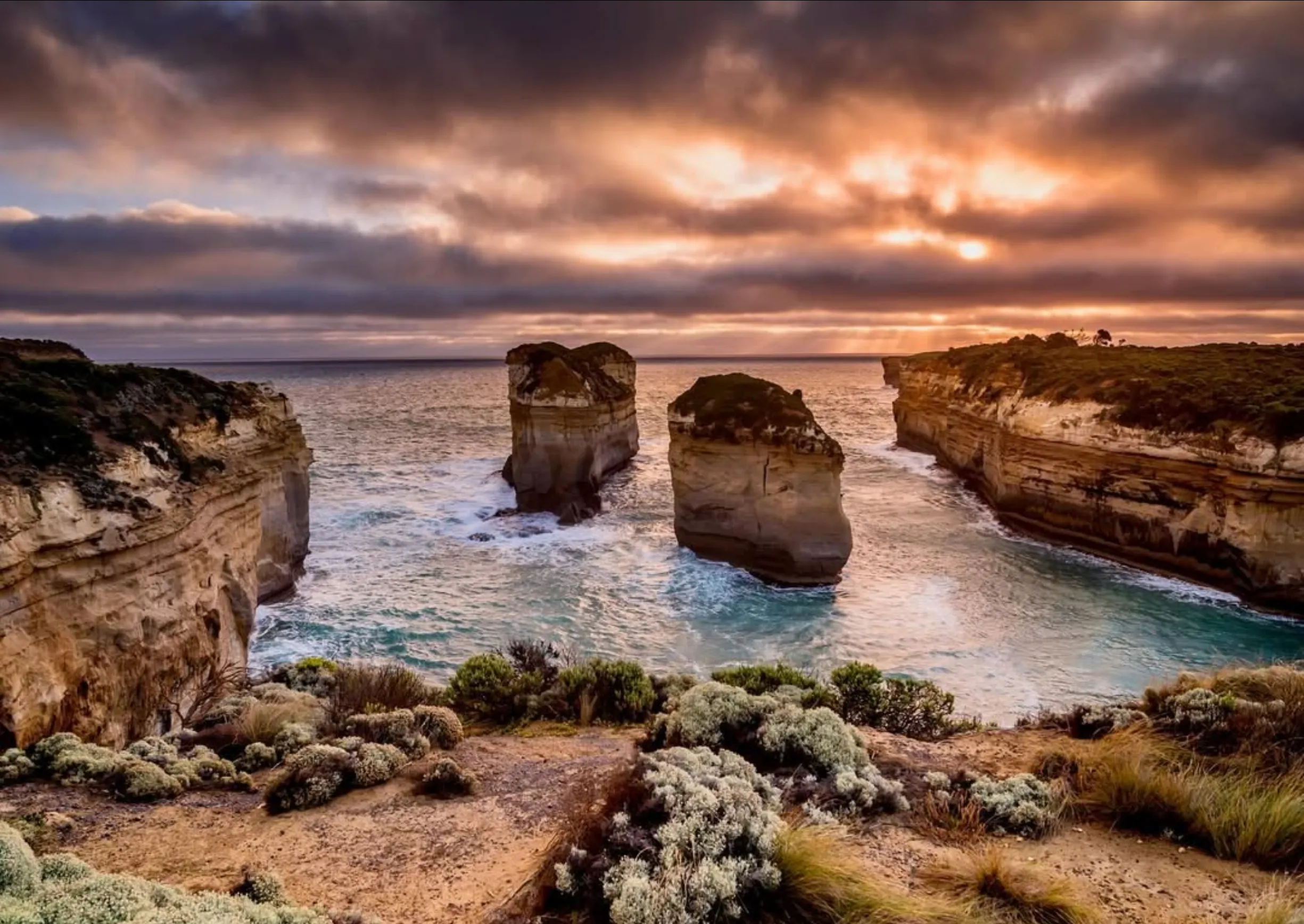
The Great Ocean Road, one of Australia’s most famous coastal drives, stretches for about 240 kilometres along the Victorian southern coast. When planning a road trip along this scenic drive, many people ask: does the Great Ocean Road go east to west or west to east?
The Direction
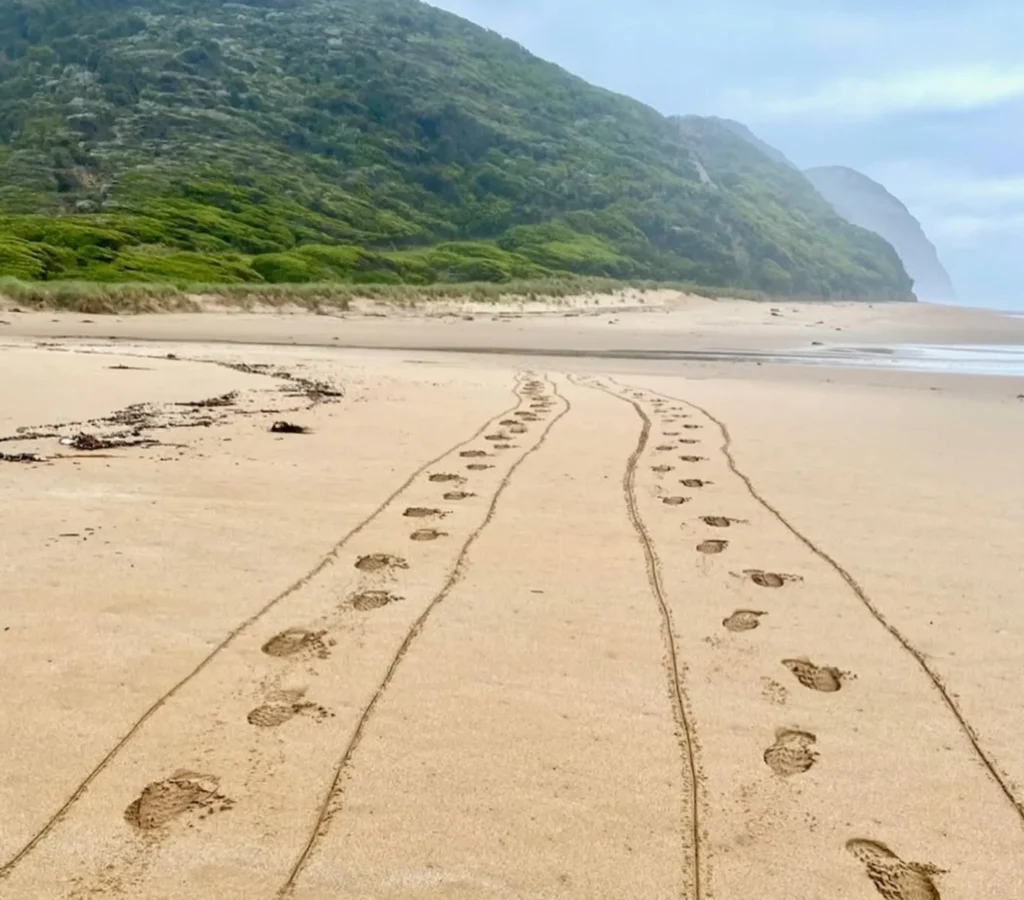
The Great Ocean Road starts officially in the town of Torquay, southwest of Melbourne, and goes west to Allansford, near Warrnambool. So the road goes east to west along a stunning coastal road. This drive is one of the most beautiful coastal landscapes in the world, with panoramic views, cliffs and sandy beaches.
Why Most People Drive East to West
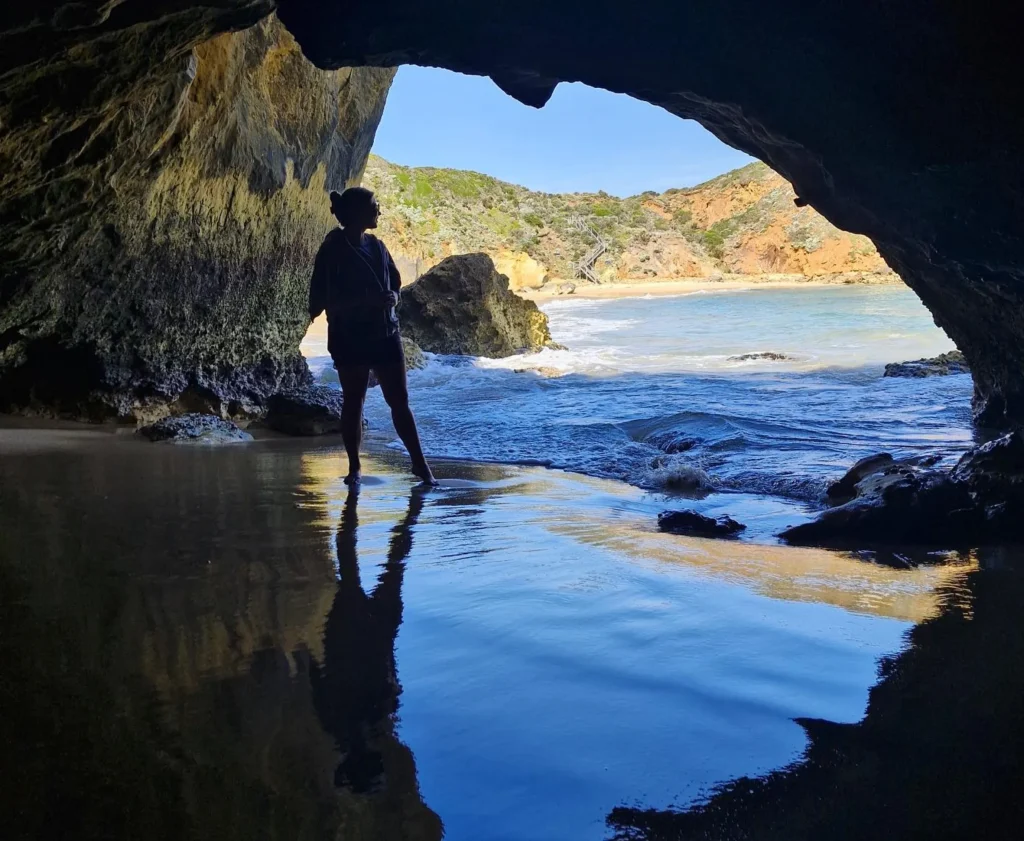
You can drive either way but most people drive east to west from Torquay to Warrnambool. Here’s why:
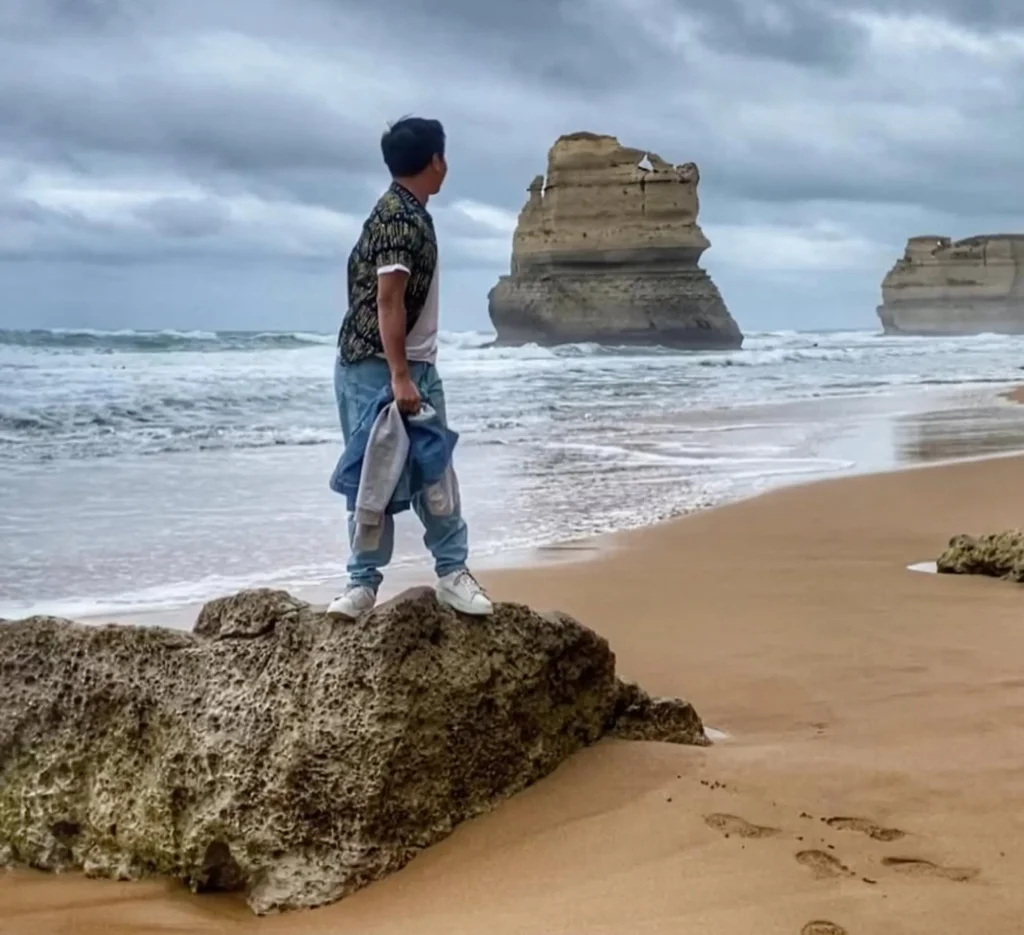
- Better Coastal Views: Driving westward means the ocean is on your left so you can stop at lookouts and take in the views without crossing traffic. The coastal road is full of lookouts, national parks and towns along the way.
- Easier Access to Attractions: The Great Ocean Road is full of must-see attractions like the Twelve Apostles, Loch Ard Gorge and the Gibson Steps. Driving east to west makes it easier to get to these attractions, viewing platforms and lookouts. Many people do a Twelve Apostles tour to explore this region in depth.
- More Natural Flow: The road follows the coastline so you get a more immersive experience in the natural environment. With multiple coastal walks, a long stretch of beach and waterfalls to explore, driving east to west is the way to go.
Can You Drive West to East?
Yes! Some people start their trip in Warrnambool and drive to Torquay, especially if they are coming from South Australia. But this means you will be on the inland side of the road so it’s a bit harder to access viewing platforms and car parks at lookouts. If your trip includes capturing the best coastal views, east to west is the way to go.
Highlights
The Great Ocean Road is more than just a drive. It’s home to some of Australia’s most stunning coastal scenery, major towns and famous natural wonders. Here are the must-see stops along the way:
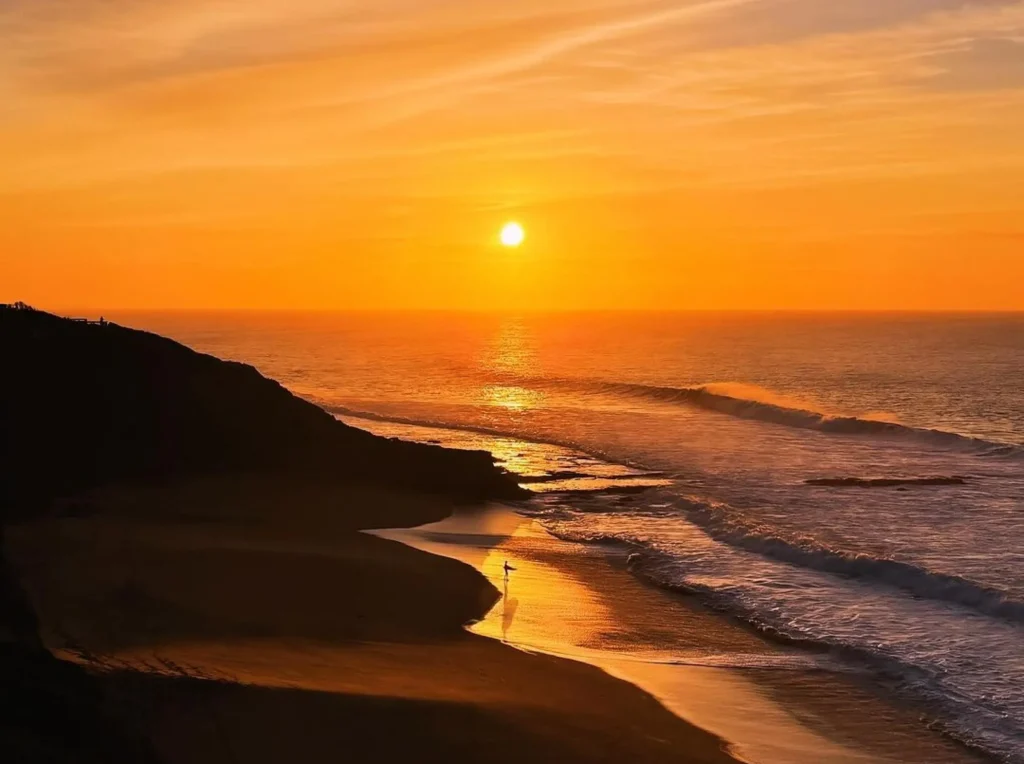
- Bells Beach: Famous surf beach near Torquay, known for big waves and international surf comps.
- Lorne: Popular coastal town with boutique shops, waterfalls and lookouts.
- The Great Otway National Park: Rainforests, walking tracks and native wildlife including koalas and kangaroos.
- The Twelve Apostles: One of Australia’s most famous sights, these limestone stacks rise dramatically from the ocean. Many visitors include it in their Great Ocean Road trip from Melbourne.
- Loch Ard Gorge: Breathtaking beach with cliffs and shipwreck stories.
- Port Campbell National Park: Views, natural arches and beaches are a must-see for nature lovers. Many travellers will stop here on their 2 day Great Ocean Road tour.
- Warrnambool: The last major town on the Great Ocean Road, known for whale watching, extinct volcano sites and coastal walks.
Tips for Driving
- Take Your Time: The windy roads require slow driving, so allow extra time for stops at lookouts and points of interest.
- Start Early: To avoid crowds at popular towns and attractions, start your day early, especially for a day trip.
- Check the Weather: Conditions can change quickly along the coast, with strong winds and rain.
- Plan Overnight Stays: Consider stopping overnight in a coastal town like Lorne, Apollo Bay or Port Campbell to fully experience it. A Great Ocean Road trip often includes multiple stops to explore the hidden gems along the way.
- Watch for Wildlife: The Great Ocean Road passes through wildlife habitats where you might spot kangaroos and koalas, especially early morning and evening.
- Be Aware of Speed Limits: Some sections of the road have lower speed limits due to sharp turns, steep cliffs and frequent lookout stops.
- Use Public Transport If Needed: While most people drive, public transport options are available for those who don’t want to drive, including guided bus tours and regional train connections.
- Stop at the Visitor Centres: Major towns along the route have visitor centres where you can get information about lookout platforms, walking tracks, and rainwater tanks available at camping sites.
Conclusion
The Great Ocean Road is a must-see and regardless of whether you drive east to west or west to east it’s going to be an epic adventure with stunning views, panoramic views and beautiful sights. From waterfalls and natural arches to coastal walks and extinct volcanoes this famous coastal drive has something for everyone. If you’re planning a day trip make sure you visit the visitor centre in major towns for info on lookout platforms, popular towns and rainwater tanks along the way. Whether you want a 5-minute walk to a scenic lookout or a full day exploring the coastal landscapes the Great Ocean Road has it all.
FAQ
How long does it take to drive the Great Ocean Road?
4–5 hours non stop but most people take 1–3 days to drive and stop in along the way to visit national parks, waterfalls, beaches etc.
Is the Great Ocean Road safe to drive?
Yes but it has many sharp turns, cliffs and occasional strong winds. Drive carefully especially in bad weather.
What’s the best time of year to drive the Great Ocean Road?
Spring (Sept to Nov) or Autumn (March to May) are the best times to visit when the weather is mild and the crowds are smaller. These seasons give you the best views of the natural environment, green hills and coastal landscapes.
Can you camp along the Great Ocean Road?
Yes there are several campgrounds and caravan parks along the way, in Great Otway National Park and near the Twelve Apostles. Some sites have walking tracks, beautiful stretches of beach and lookout platforms.
Are there guided tours for the Great Ocean Road?
Yes many tour operators offer day trips and multi-day trips from Melbourne and provide guided tours into the region’s history, native wildlife and famous surf beaches. Public transport options are also available if you don’t want to drive.