

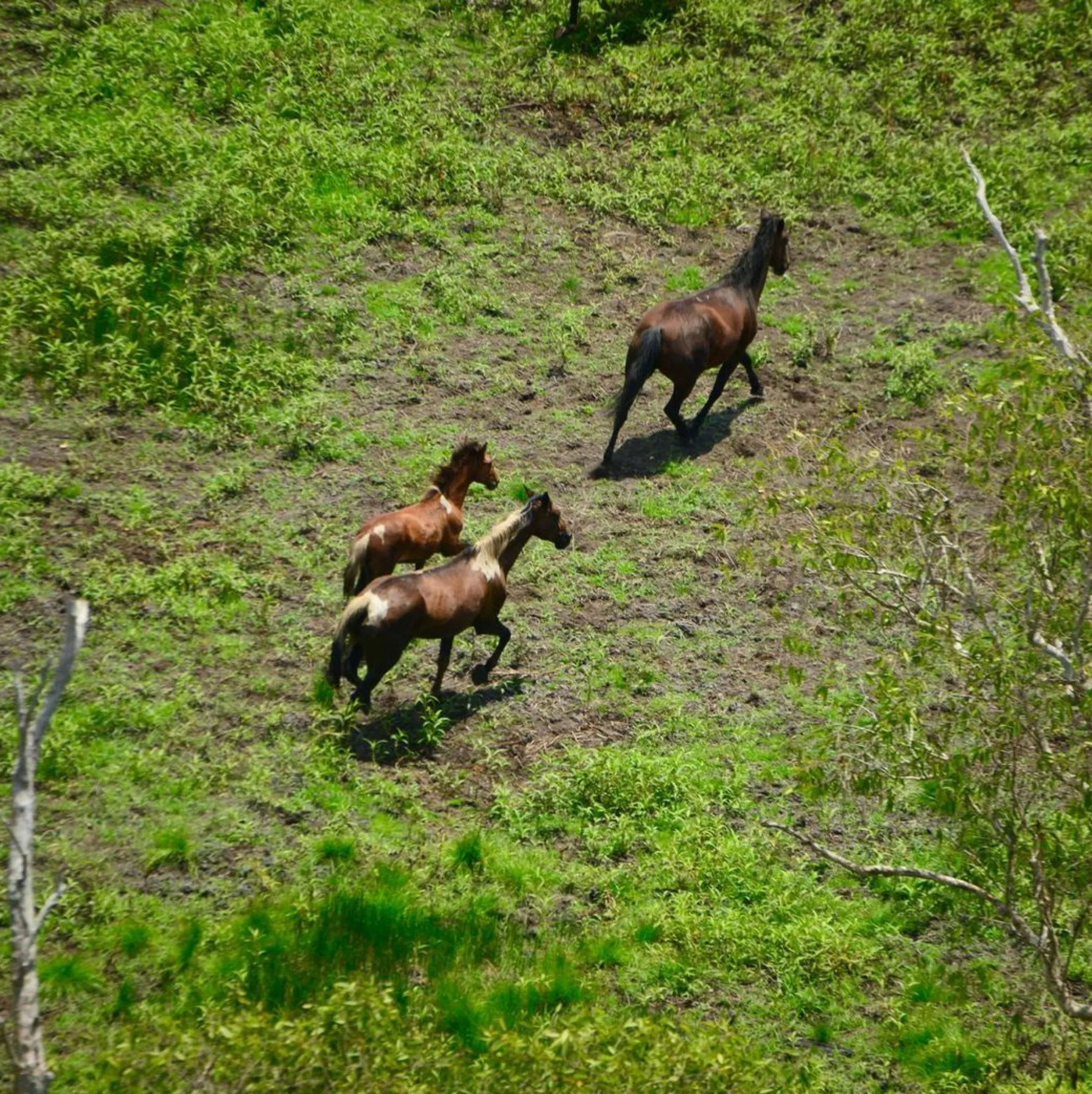
Kakadu National Park is one of the world’s most untouched landscapes, spanning nearly 20,000 square kilometres of amazing country in the Northern Territory of Australia. With its international importance, Kakadu is a living, breathing example of an Aboriginal cultural landscape—featuring ancient sites, rock art, wetlands, rivers and stone country ecosystems. But who looks after this special land?
For travellers planning to visit this incredible region, Kakadu National Park tours offer a way to experience the land and learn about the people who have looked after it for tens of thousands of years.
Joint Management: A New Approach
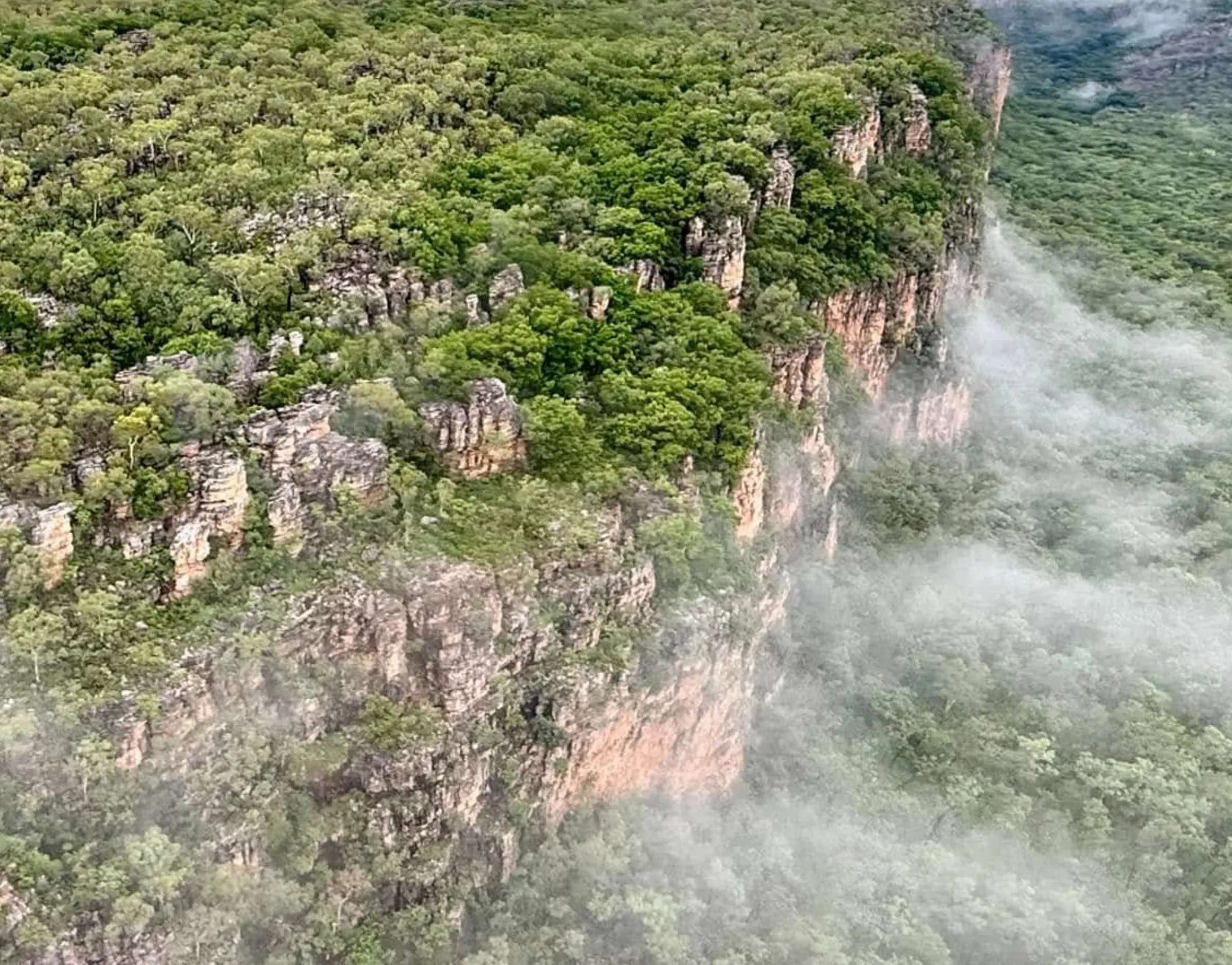
Since being declared in the late 20th century, Kakadu has been managed under a formal joint management arrangement guided by a plan of management. This innovative system allows Aboriginal people—specifically the Bininj/Mungguy Traditional Owners—to co-manage the park with Parks Australia. The Board of Management, made up of a majority of Indigenous people, ensures that management decisions reflect the needs, rights and responsibilities of the Aboriginal majority.
The Kakadu Board of Management oversees the implementation of the plan of management, balancing tourism development, infrastructure for tourism and cultural site protection. This plan also covers commercial tourism opportunities, sustainable practices and conservation values, with a strong focus on Aboriginal land rights and Country AI tools like the Healthy Country Dashboard.
Travellers on guided experiences, such as Kakadu day tours, will often hear firsthand how this joint management model works on the ground—directly from rangers and guides with deep connections to the land.
Key Guardians
The collective force behind Kakadu’s protection is:
- Traditional Owners / Aboriginal Owners – Custodians of Aboriginal land with thousands of years of Indigenous culture and ecological knowledge
- Parks Australia – The government agency managing park operations, policies and commercial activities in partnership with the Board of Management
- Indigenous Rangers – On-the-ground protectors involved in daily management, ecological monitoring and visitor education
- Park staff – A team working across heritage, tourism and environmental management* Scientists and Researchers – Working on projects like the action co-research project and monitoring of Magpie Geese, fish and bird species
- Non-Aboriginal people – Visitors, educators, volunteers and business operators of the park’s future
Kakadu is protected by many people: Aboriginal people, park staff, researchers and eco-tourists. Whether you’re driving yourself or on a Darwin to Kakadu day trip, knowing about Traditional Owners and Indigenous communities will add more depth to your trip.
Indigenous Rangers: Guardians of the Land
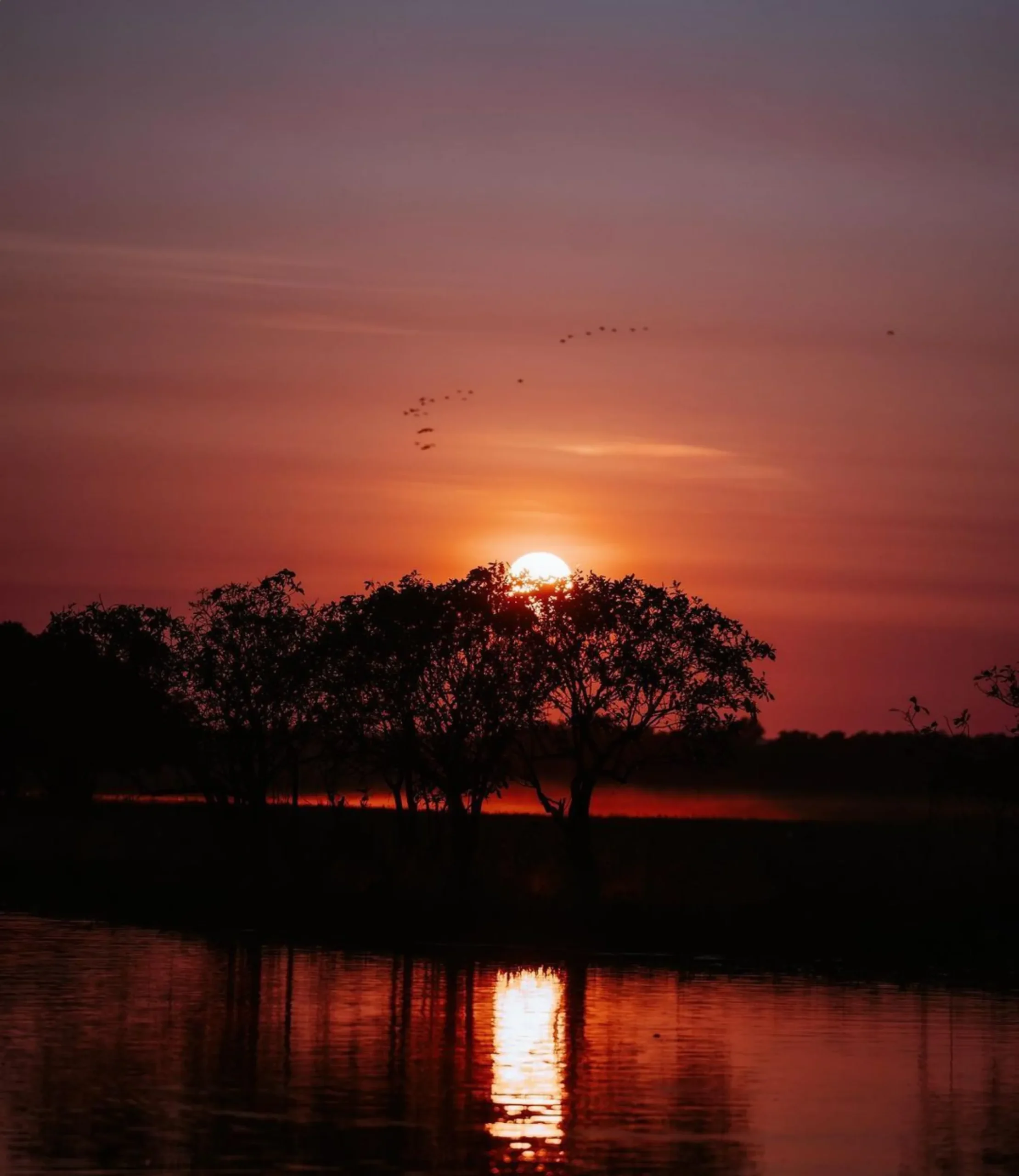
Indigenous rangers are the ones who are implementing Kakadu’s management plans. As part of the Bininj Healthy Country approach, rangers do:
- Crocodile management in the Yellow Water Billabong
- Fire-sensitive community protection through early dry-season burns
- Monitoring and removal of invasive species like Asian water buffalo
- Protection of cultural sites, including Aboriginal rock art at Nourlangie Rock
- Maintenance of camp sites and country with visitors‘ areas
Their combination of traditional knowledge and modern science is key to the effective management of Kakadu’s hundreds of kilometres of wetlands, escarpments and stone country.
Travellers on day trips from Darwin to Kakadu often see rangers at work—managing crocodile habitats, protecting cultural sites, or leading educational tours that showcase both Aboriginal culture and environmental science.
Conservation and Environment
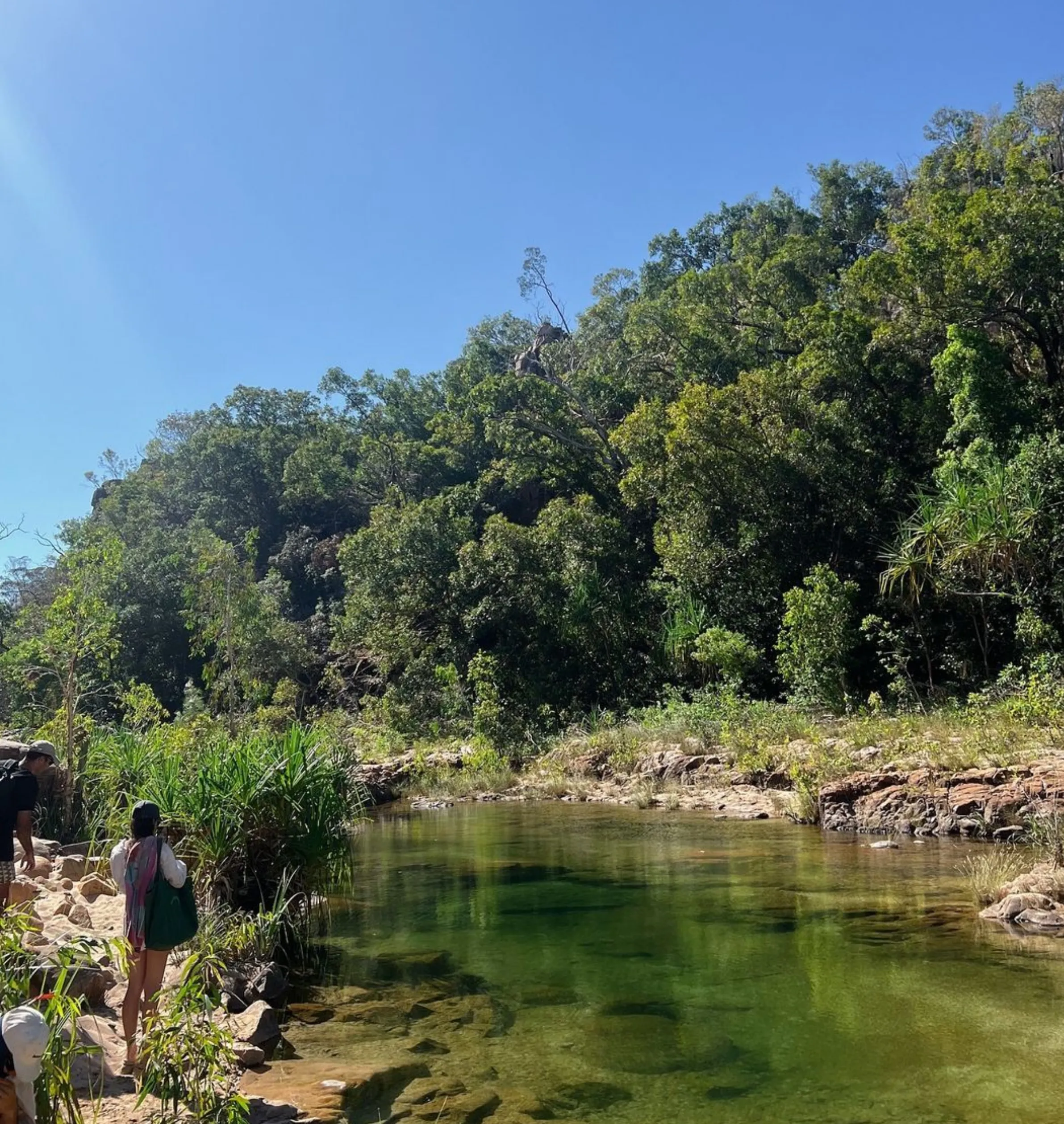
Kakadu’s conservation covers its amazing biodiversity and biocultural values. Key strategies are:
- Fire management aligned with Aboriginal culture
- Monitoring of Magpie Geese
- Riverbank protection in Adelaide River, Mary River, and Alligator Rivers
- Wildlife tracking across wet season and dry season habitats
- Restoration of fire-sensitive communities in vulnerable areas
The management team also monitors the impacts of commercial tourism to ensure it doesn’t have negative impacts on sensitive ecosystems. Visitors on Kakadu day tours during the dry season may also learn about traditional fire practices used to manage the land, reduce bushfire risk and support biodiversity.
Research and Partnerships
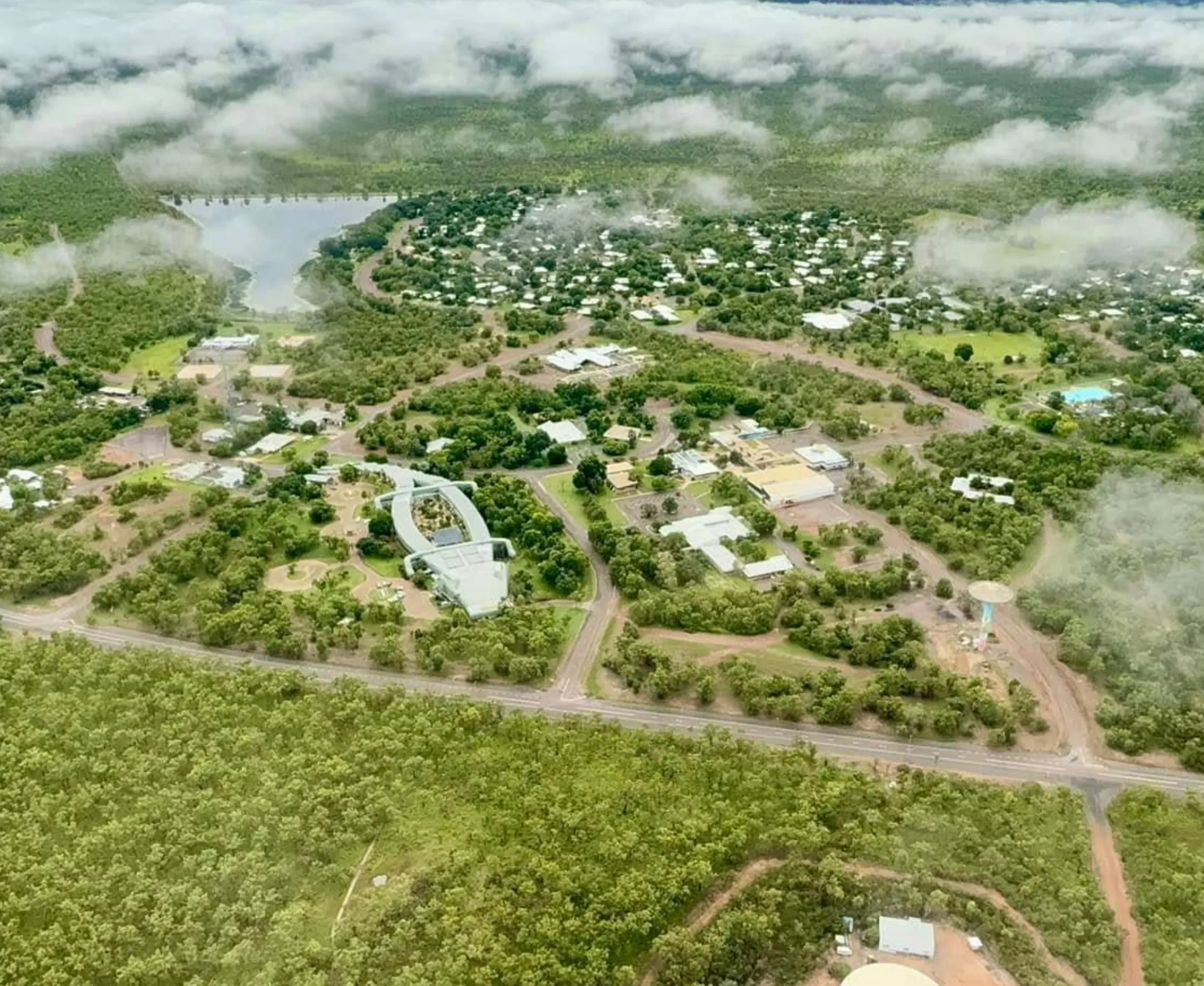
Science and technology support conservation through partnerships with:
- Universities and CSIRO
- Collaborative research on cultural features, climate change and video recordings of biodiversity
- Development of tools like the Healthy Country Dashboard
- Research on commercial tourism and sustainability in a tough business environment
These research projects inform long-term planning and integrate Western science and Indigenous ecological knowledge. Science plays a big part in Kakadu’s conservation. Research across stone country, river banks and wetlands of the Adelaide River and Alligator Rivers has led to better, more culturally based management of the park. Visitors on a day trip from Darwin to Kakadu may visit research centres or ranger stations to see how traditional knowledge and science work together.
Community Involvement and Education
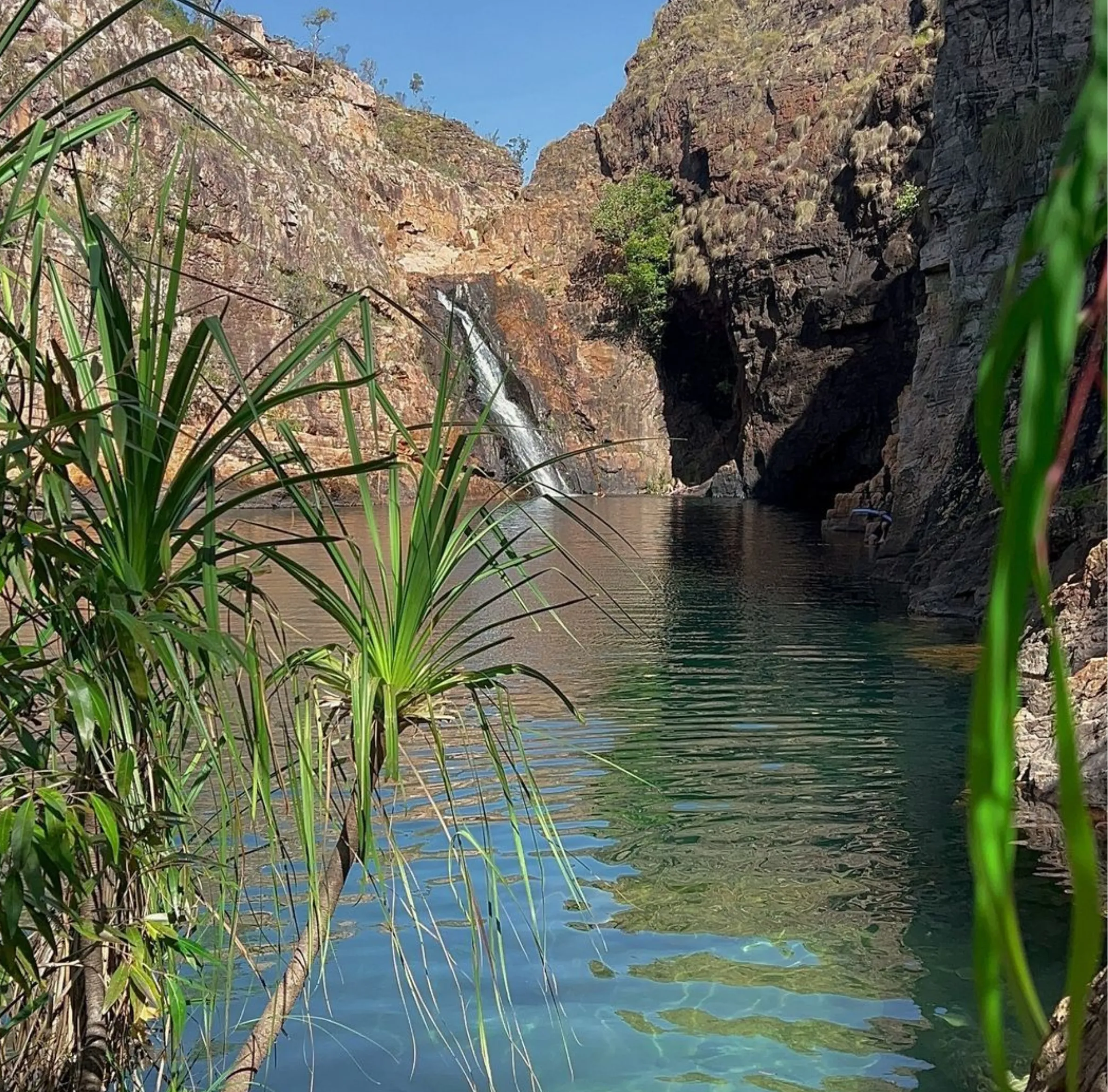
Kakadu’s future is in community hands. Through collaborative action projects and education programs, Indigenous communities and non-Aboriginal people learn about the park’s Aboriginal culture, cultural values and natural values. Examples include:
- Visitor centres about Aboriginal land rights
- School tours and workshops led by Traditional Owners
- Commercial partnerships for cultural tourism
This shared learning builds respect for Aboriginal people, archaeological sites and the intricate ecosystems of Kakadu.
Visitors coming on day trips from Darwin to Kakadu will notice the strong sense of cultural pride in the region. Interpretive signage, cultural centres and ranger-led activities help non-Aboriginal people and international visitors understand Aboriginal land rights, the cultural landscape and the role of community in park management.
Why It Matters for Travellers
Travellers who know who looks after Kakadu engage more with the cultural landscape. Whether you’re cruising the Yellow Water, hiking near Jim Jim Falls or visiting Nourlangie Rock, your journey is influenced by the work of those who keep this landscape alive.
Support Kakadu Tourism, join commercial tours that use local guides and respect park rules. Every little bit helps keep the park’s international significance and supports commercial tourism that aligns with Aboriginal culture and conservation goals.
Final Thoughts
Kakadu National Park is not just protected by policy – it’s looked after by the love, knowledge and action of its Traditional Owners, scientists, rangers and everyday Australians. The plan of management and joint management structure is a model for conservation worldwide. As a visitor, your respect and support help protect this precious landscape.
FAQs
What is joint management in Kakadu National Park?
Joint management means shared decision-making between Traditional Owners and Parks Australia through the Board of Management to protect cultural and environmental values.
How do Indigenous rangers contribute to conservation?
Indigenous rangers do important work such as invasive species control, fire management, crocodile management and protection of cultural sites like Aboriginal rock paintings.
Why is the management plan important for Kakadu?
The plan of management outlines management objectives that balance conservation values, commercial tourism and protection of Aboriginal land.
Can tourism impact Kakadu’s natural and cultural values?
Yes. That’s why commercial tour operators must follow guidelines to avoid harm to cultural features, river banks and fire-prone communities.
What can I do to help protect Kakadu?
Choose ethical commercial tours, respect sacred sites, learn about Traditional Owners and support projects like Healthy Country Dashboard that contribute to the park’s management.